



When families invite a nanny or sitter into their home, they’re not just hiring help — they’re opening the door to their private world. Their routines, their children, their chaos, their love, their vulnerable moments at 6:30am when no one has coffee yet.
So the real magic of great childcare isn’t just experience or certifications.
It’s trust.
The kind of trust that makes parents breathe easier at work.
The kind that helps children feel safe, seen, and supported.
And the kind that turns “our nanny” into “part of the family.”
But trust doesn’t happen overnight. It’s built intentionally, professionally, and consistently. Let’s break down exactly how nannies and sitters create relationships that last — and why it matters so much.
_________________________________________________________________________________________________________________________
1. First Impressions Matter (More Than You Think)

The foundation of any professional relationship starts before the first day on the job.
Families notice:
- Punctuality
- How you communicate
- How you present yourself
- Your energy and attitude
Showing up on time, well-prepared, and genuinely engaged already sends a powerful message: “You can rely on me.”
This doesn’t mean being stiff or overly formal — it means being respectful, warm, and professional. The sweet spot is “approachable expert.”
Pro tip: The best caregivers aren’t trying to impress. They’re trying to connect.
________________________________________________________
2. Communication Is the Real Job Skill

Yes, you might be amazing with toddlers, bottle schedules, and bedtime routines… but communication is what keeps relationships healthy long-term.
Strong caregiver communication looks like:
- Daily updates about the children
- Sharing wins and challenges honestly
- Asking questions instead of assuming
- Being clear about boundaries and expectations
Families don’t expect perfection — they expect transparency.
When something goes wrong (spills, tantrums, schedule mix-ups), addressing it calmly and proactively actually builds more trust, not less.
Trust grows when families know:
“My nanny will tell me the truth — even when it’s uncomfortable.”
________________________________________________________
3. Consistency = Emotional Safety

Children thrive on predictability, and so do parents.
Trust is built through:
- Showing up consistently
- Following routines
- Keeping promises
- Maintaining similar standards every day
When families know what to expect from their caregiver, stress levels drop dramatically. They don’t have to micromanage. They don’t have to worry. They can relax.
Consistency creates emotional safety, which is the invisible glue in long-term placements.
________________________________________________________
4. Respecting Boundaries Builds Respect Back

One of the biggest misconceptions in childcare is that being “like family” means there are no boundaries.
In reality, the healthiest relationships have clear professional lines:
- Respecting privacy
- Not oversharing personal issues
- Keeping family information confidential
- Understanding roles and responsibilities
Professional boundaries don’t make relationships colder — they make them stronger and more sustainable.
The goal isn’t to blur lines.
The goal is to build trust without burning out.
________________________________________________________
5. Emotional Intelligence Is a Superpower

Great caregivers read the room.
They can sense:
- When a parent is stressed
- When a child needs space
- When routines need flexibility
- When support is needed beyond the job description
Emotional intelligence means responding with empathy instead of ego.
It looks like:
- Not taking things personally
- Staying calm in emotional moments
- Being adaptable during change
- Offering solutions instead of complaints
Families trust caregivers who bring peace, not pressure into the home.
________________________________________________________
6. Trust Grows Through Competence
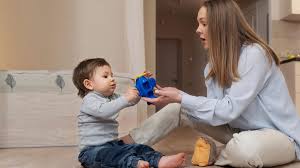
Warmth builds connection.
Competence builds confidence.
Families trust caregivers who:
- Know child development basics
- Handle emergencies calmly
- Follow safety procedures
- Take initiative
- Keep learning and improving
This doesn’t mean knowing everything — it means being willing to learn, ask for guidance, and stay informed.
Professional caregivers treat their role as a career, not a side hustle — and families feel that difference immediately.
________________________________________________________
7. Reliability Is More Attractive Than Perfection

You don’t need to be the “Pinterest-perfect nanny.”
You just need to be:
- Dependable
- Honest
- Prepared
- Present
Families would rather have a caregiver who’s human but reliable than someone who looks perfect but disappears when things get hard.
Reliability builds trust faster than any résumé ever could.
________________________________________________________
8. Small Gestures Create Big Loyalty

It’s often the tiny things that make families feel truly supported:
- Leaving thoughtful notes
- Remembering favorite snacks
- Celebrating milestones
- Organizing play spaces
- Checking in after tough days
These aren’t required — but they create emotional loyalty.
Trust grows when families feel:
“This person genuinely cares about our children.”
________________________________________________________
9. Conflict (Handled Well) Strengthens Relationships

Disagreements are inevitable. Different parenting styles, routines, expectations — it happens.
What matters isn’t avoiding conflict.
It’s how it’s handled.
Healthy caregiver conflict looks like:
- Calm conversations
- Respectful language
- Listening without defensiveness
- Finding solutions together
When conflict is handled professionally, trust actually deepens.
Because families see:
“We can talk about hard things and still work well together.”
That’s real relationship strength.
________________________________________________________
10. Trust Is a Two-Way Street

While caregivers do a lot of the emotional labor, trust is mutual.
The best long-term relationships happen when:
- Families communicate clearly
- Expectations are fair
- Appreciation is shown
- Feedback goes both ways
- Caregivers feel valued, not exploited
Trust flourishes in environments where both sides feel respected.
It’s not “employer vs employee.”
It’s partners in a child’s wellbeing.
_________________________________________________________________________________________________________________________
Why This Matters So Much (For Everyone)

For families:
- Peace of mind
- Stability for children
- Less stress
- Stronger emotional bonds
For caregivers:
- Job satisfaction
- Emotional fulfillment
- Professional growth
- Long-term placements
- Better mental health
For children:
- Secure attachments
- Emotional safety
- Positive role models
- Consistent support
Trust isn’t just nice — it’s foundational.
_________________________________________________________________________________________________________________________
Final Thought: Trust Is the True Measure of Success

The best caregivers aren’t remembered for how many activities they planned or how fancy the lunches were.
They’re remembered for:
- How safe they made children feel
- How supported parents felt
- How steady they were during chaos
- How long they stayed
- And how hard it was to say goodbye
Professional relationships that last aren’t built on perfection.
They’re built on:
Integrity. Communication. Reliability. Emotional intelligence. And genuine care.
And when those are present?
You don’t just get a job.
You build a relationship that becomes part of a family’s story.
And honestly… that’s the real magic of this work. ✨