



When most people think of hiring a caregiver, the first thing that comes to mind is simple: someone to watch the kids while I work, run errands, or catch my breath. And while that’s absolutely part of the role, it’s only the surface.
The right caregiver — whether a full-time nanny, part-time nanny, newborn care specialist, or trusted babysitter — does far more than supervise. They become a steady presence in your child’s world, a support system for parents, and an active contributor to your family’s emotional, social, and even logistical wellbeing.
In short: great caregivers don’t just “help out.”
They help families function better.
Let’s unpack why the right caregiver is one of the most powerful investments a family can make.
___________________________________________________________________________________________________________________________
1. Caregivers Provide Emotional Consistency (Which Kids Thrive On)

Children flourish in environments that feel predictable, safe, and emotionally stable. A consistent caregiver creates exactly that.
Unlike rotating drop-in care or constantly changing schedules, a regular nanny or sitter becomes a familiar, trusted adult in your child’s life. This consistency helps children:
- Build secure attachments
- Develop emotional regulation
- Feel safe expressing big feelings
- Trust adults outside of their parents
Fun fact: Research in child psychology shows that children can form healthy attachment bonds with multiple caregivers — not just parents — and that these relationships actually strengthen emotional resilience later in life.
So no, your child won’t “get confused.”
They’ll get more supported.
________________________________________
2. The Right Caregiver Reduces Parental Stress (And That Changes Everything)

A calm household starts with calm parents.
When parents feel supported, they’re more patient, more present, and more emotionally available for their children. A high-quality caregiver doesn’t just watch kids — they relieve mental load.
Think about everything that suddenly feels lighter:
- Not rushing out of meetings because childcare fell through
- Not juggling work emails while cooking dinner with one hand
- Not feeling guilty for needing a break
A reliable caregiver allows parents to show up as better versions of themselves — which directly improves family dynamics.
Happy parents = emotionally safer homes.
And that benefits everyone.
________________________________________
3. Caregivers Help Children Build Social & Life Skills

Professional caregivers aren’t just keeping kids busy — they’re intentionally shaping how children move through the world.
Through play, routine, and daily interaction, caregivers support:
- Communication skills
- Independence and confidence
- Conflict resolution
- Empathy and cooperation
- Responsibility and self-help skills
From teaching toddlers to clean up toys, to helping school-aged kids navigate friendships, caregivers act as real-life coaches for emotional and social growth.
And because kids often behave differently with non-parents, caregivers can reach children in ways even loving parents sometimes can’t.
(Yes, kids do listen better for other adults. It’s a universal mystery.)
________________________________________
4. They Bring Fresh Energy Into the Household

Let’s be honest — parenting is exhausting.
Caregivers bring a new dynamic into the home: fresh ideas, new games, creative activities, and different perspectives. This prevents routines from becoming stagnant and keeps children engaged.
Great caregivers often introduce:
- New crafts and sensory play
- Outdoor adventures and park routines
- Educational games and age-appropriate learning
- Structured schedules that reduce chaos
This isn’t about replacing parents — it’s about adding a layer of enrichment to your child’s daily life.
Think of caregivers as your family’s built-in enrichment program.
________________________________________
5. They Support Developmental Milestones

Professional nannies and sitters are trained to understand age-appropriate development — not just behavior.
They recognize:
- Speech and language patterns
- Motor skill development
- Emotional transitions
- Sleep and feeding cues
- Behavioral changes
This means caregivers can flag concerns early, reinforce positive habits, and collaborate with parents to support growth.
They become an extra set of experienced eyes, helping parents navigate each stage with more confidence and less anxiety.
________________________________________
6. Caregivers Strengthen the Parent-Child Relationship (Not Compete With It)

One of the biggest fears parents have is:
“Will my child become more attached to the caregiver than to me?”
The reality?
Strong caregiving support usually improves the parent-child relationship.
Why?
Because parents are less burnt out.
Less overwhelmed.
Less stretched thin.
Instead of being in constant survival mode, parents can enjoy more quality moments — play, connection, meaningful conversations, and shared routines.
Caregivers handle the logistics.
Parents get to focus on the relationship.
That’s a win-win.
________________________________________
7. They Become a Trusted Part of Your Family Culture

Over time, caregivers naturally absorb your family values, routines, and rhythms. They learn:
- How your household communicates
- What boundaries matter
- Your parenting philosophy
- Your child’s personality and quirks
This allows them to align their care with your goals — not work against them.
The best caregivers don’t just “fit in.”
They enhance the family ecosystem.
They celebrate milestones, notice patterns, and often become part of a child’s lifelong memories.
(Ask any adult about their childhood nanny — the stories are always legendary.)
________________________________________
8. Babysitting vs. Professional Caregiving: The Difference Matters
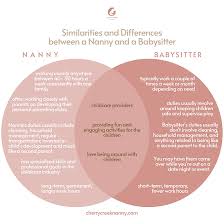
Not all care is created equal.
There’s a big difference between:
“Someone who can watch the kids”
and
“Someone trained to support a family.”
Professional caregivers bring:
- Experience across multiple age groups
- Emotional intelligence
- Reliability and accountability
- Safety training
- Strong communication skills
Whether it’s a full-time nanny or a trusted sitter, the key is intentional placement — matching families with caregivers who align with their needs, values, and lifestyle.
That’s where agencies make all the difference.
________________________________________
9. What to Look for in a Caregiver Who Truly Strengthens Your Family

When choosing a caregiver, look beyond availability. The best matches usually share these traits:
- Warm but confident personality
- Strong communication
- Respect for boundaries and routines
- Genuine love for children
- Adaptability and emotional maturity
- Professional mindset
The right caregiver doesn’t just manage your child.
They support your entire family system.
___________________________________________________________________________________________________________________________
Final Thoughts: Care Is a Relationship, Not a Transaction

At its core, childcare is deeply relational.
The right caregiver becomes:
- A partner to parents
- A role model for children
- A stabilizing presence in daily life
- A contributor to long-term wellbeing
This is why high-quality care isn’t a luxury — it’s a strategic investment in your family’s emotional health, balance, and future.
Because when families feel supported, children feel secure.
And when children feel secure, everything else grows stronger from there.
Including your sanity. Which, let’s be real, is priceless.