



When people think of Newborn Care Specialists (NCS) and doulas, they often picture expert swaddling, sleep schedules, feeding support, and calm confidence with newborns. And yes — those technical skills absolutely matter. But behind every thriving baby is a family navigating one of the most emotionally intense transitions of their lives.
That’s where emotional intelligence comes in.
Beyond baby care, emotional intelligence (EI) is one of the most essential — and often underrated — skills for NCS and doula professionals. It’s what transforms excellent care into truly exceptional support. It’s the difference between doing the job and being unforgettable.
Let’s explore why emotional intelligence is a core professional skill, how it shows up in real-life caregiving, and why families increasingly value emotionally attuned caregivers just as much as technically skilled ones.
______________________________________________________________________________________________________________________________________
What Is Emotional Intelligence (and Why Does It Matter in Newborn Care)?
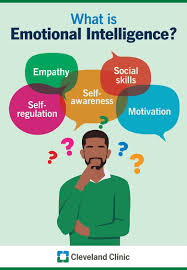
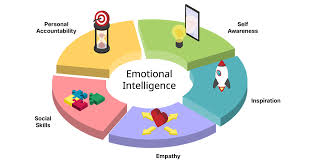
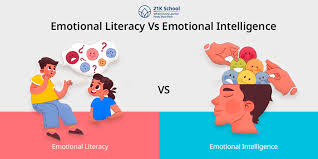
Emotional intelligence is the ability to recognize, understand, manage, and respond to emotions — both your own and those of others. It includes:
- Self-awareness
- Emotional regulation
- Empathy
- Active listening
- Clear, compassionate communication
In newborn care and postpartum support, emotions are everywhere.
Parents may feel joy, fear, exhaustion, overwhelm, guilt, grief, or uncertainty — sometimes all in the same hour. Hormones are shifting. Sleep is scarce. Expectations don’t always match reality. Even the most prepared families can feel emotionally vulnerable.
An emotionally intelligent NCS or doula doesn’t just notice these feelings — they know how to hold space for them without judgment.
______________________________________________________________________________________________________________________________________
The Fourth Trimester: An Emotional Landscape
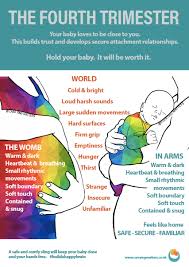
The postpartum period isn’t just about recovery and routines — it’s a massive emotional adjustment. Families are learning:
- Who they are as parents
- How to trust their instincts
- How to navigate new dynamics as partners
- How to cope with exhaustion and uncertainty
An emotionally intelligent caregiver understands that tears don’t always need fixing. Sometimes, parents just need reassurance that what they’re feeling is normal.
A simple “You’re doing an amazing job” at the right moment can be just as impactful as a perfectly timed feeding schedule.
______________________________________________________________________________________________________________________________________
Emotional Intelligence in Action: What It Looks Like on the Job
1. Reading the Room (Before Reading the Baby)
A skilled NCS or doula walks into a home and intuitively gauges the emotional temperature. Is this a household that needs gentle reassurance? Clear structure? Quiet confidence? Humor?
Emotional intelligence allows caregivers to adapt their approach to each family, not follow a one-size-fits-all script.
2. Supporting Without Overstepping
There’s a delicate balance between offering expertise and respecting parental autonomy. Emotionally intelligent professionals:
- Share knowledge without sounding judgmental
- Offer guidance without undermining confidence
- Empower parents instead of replacing them
The goal is never to take over — it’s to build parents up so they feel capable long after the contract ends.
3. Navigating Hard Conversations Gracefully
From differing sleep philosophies to feeding challenges or boundary concerns, tough conversations are inevitable. EI allows caregivers to communicate clearly and kindly, even when emotions run high.
It’s the ability to say:
“I hear your concerns, and here’s what I recommend — but let’s decide together what feels right for your family.”
That kind of communication builds trust fast.
______________________________________________________________________________________________________________________________________
Emotional Intelligence Builds Trust — And Trust Is Everything

Families don’t just invite NCS and doulas into their homes. They invite them into their most vulnerable moments.
Trust is built when caregivers:
- Respect cultural values and family preferences
- Maintain professionalism under stress
- Respond calmly during emotional moments
- Validate feelings instead of dismissing them
When parents feel emotionally safe, they’re more receptive to education, routines, and support. Emotional intelligence doesn’t replace technical skill — it amplifies it.
______________________________________________________________________________________________________________________________________
Supporting Mental Health Through Emotional Awareness
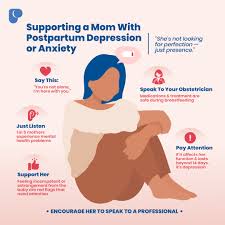
While NCS and doulas are not therapists, emotionally intelligent caregivers play an important role in early awareness of postpartum mental health challenges.
They notice patterns:
- Persistent anxiety
- Withdrawal or emotional numbness
- Overwhelm that doesn’t ease with rest
- Feelings of inadequacy or hopelessness
Through compassionate observation and thoughtful communication, caregivers can gently encourage families to seek additional support when needed — without stigma or alarm.
Sometimes, simply being seen and heard is the first step toward healing.
______________________________________________________________________________________________________________________________________
Emotional Intelligence Protects Caregivers, Too

EI isn’t just for families — it’s essential for caregiver sustainability.
Professionals with strong emotional intelligence are better at:
- Setting healthy boundaries
- Avoiding burnout
- Managing compassion fatigue
- Separating their role from emotional over-involvement
By recognizing their own limits and emotional responses, NCS and doulas can provide high-quality care without sacrificing their well-being.
A regulated caregiver creates a regulated environment — for babies and adults.
______________________________________________________________________________________________________________________________________
Why Agencies Value Emotionally Intelligent Professionals
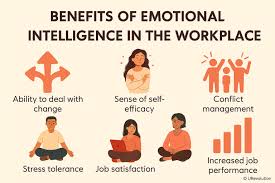
From an agency perspective, emotional intelligence is a standout trait. It leads to:
- Stronger family relationships
- Fewer misunderstandings or conflicts
- Higher satisfaction and repeat referrals
- Longer placements and smoother transitions
Families may initially hire based on credentials, but they remember how a caregiver made them feel. Emotional intelligence is what turns a good match into a lasting impression.
______________________________________________________________________________________________________________________________________
Can Emotional Intelligence Be Learned?
Absolutely.
While some people are naturally empathetic, emotional intelligence is a skill that grows with:
- Training
- Self-reflection
- Experience
- Feedback
Professional development, mentorship, and ongoing education help caregivers strengthen communication, self-awareness, and emotional regulation — all essential tools in newborn and postpartum care.
The best professionals never stop learning, not just about babies, but about people.
______________________________________________________________________________________________________________________________________
Beyond Baby Care: The Heart of the Work

At its core, newborn care and postpartum support are deeply human professions. Babies need routines, nourishment, and safety — but families need reassurance, understanding, and compassion.
Emotional intelligence is what bridges that gap.
It’s what allows NCS and doulas to support not just the baby in their arms, but the family finding its footing. It’s what turns care into connection, and expertise into trust.
Because beyond baby care, what families remember most is how supported they felt — and who helped them believe they were capable all along.