


If you’re pregnant (or planning to be), chances are you’ve heard the words doula and midwife tossed around like confetti at a baby shower. Everyone seems to have an opinion. Your cousin swears by her doula. Your friend delivered with a midwife and calls her a superhero. Google? Overwhelming at best.
So what’s the real difference between a doula and a midwife? Do their roles overlap? And most importantly—do you need one, the other, or both?
Let’s clear the fog and break it all down so you can make the best decision for your birth experience.
_______________________________________________________________________________________________________________________________________
Understanding the Big Picture: Support vs. Medical Care
At a high level, the difference comes down to this:
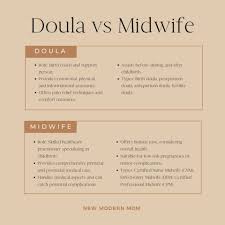
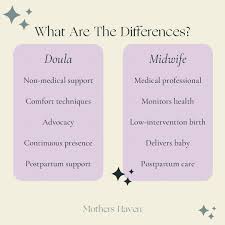
- Midwives provide medical care
- Doulas provide emotional, physical, and informational support
They work in the same space—but they do very different jobs. Think of them as complementary roles rather than competing ones.
_______________________________________________________________________________________________________________________________________
What Is a Midwife?
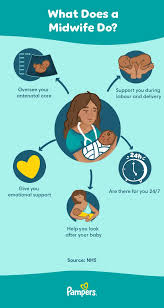
A midwife is a licensed medical professional who provides clinical care throughout pregnancy, labor, birth, and postpartum.
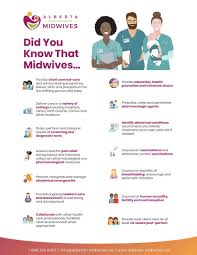
What Midwives Do
Midwives are trained to:
- Provide prenatal checkups
- Monitor the health of both parent and baby
- Order and interpret lab tests
- Attend and manage labor and delivery
- Deliver babies
- Provide postpartum medical care
- Offer breastfeeding and newborn care guidance
Depending on where you live and the type of midwife, they may also:
- Prescribe medication
- Perform medical procedures
- Collaborate with OB-GYNs and hospitals if complications arise
Types of Midwives
Not all midwives have the same credentials. The most common types include:
Certified Nurse Midwives (CNMs)
- Registered nurses with advanced medical training
- Often work in hospitals, birth centers, and private practices
- Can provide a full range of medical services
Certified Midwives (CMs)
- Similar training to CNMs but without a nursing background
- Licensed in select regions
Certified Professional Midwives (CPMs)
- Specialize in out-of-hospital births (home or birth centers)
- Focus on low-risk pregnancies
Where Midwives Work
Midwives can attend births in:
- Hospitals
- Birth centers
- Homes (depending on training and regulations)
They are typically best suited for low to moderate-risk pregnancies, with medical collaboration available if needed.
_______________________________________________________________________________________________________________________________________
What Is a Doula?
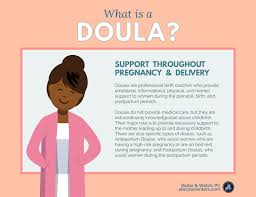
A doula is a non-medical birth professional whose sole purpose is to support the birthing person emotionally, physically, and mentally.
What Doulas Do
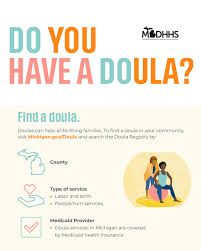
Doulas provide:
- Continuous labor support
- Comfort measures (breathing techniques, positioning, massage)
- Emotional reassurance and encouragement
- Evidence-based information to help families make informed decisions
- Advocacy support (helping you communicate preferences)
- Partner support during labor
- Postpartum emotional support (depending on the type of doula)
What doulas do not do:
- Perform medical exams
- Deliver babies
- Give medical advice or make clinical decisions
- Replace medical professionals
Their role is deeply personal—and often described as calming, grounding, and empowering.
Types of Doulas
Birth Doulas
Support during pregnancy, labor, and birth.
Postpartum Doulas
Support families after birth with recovery, newborn care, feeding support, and emotional adjustment.
(Some doulas are trained in both.)
_______________________________________________________________________________________________________________________________________
Key Differences at a Glance
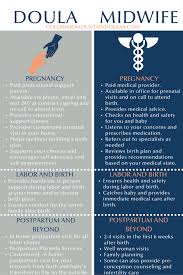
| Midwife | Doula |
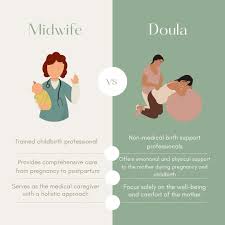
| Medical professional | Non-medical support professional |
| Provides prenatal & clinical care | Provides emotional & physical support |
| Delivers babies | Does not deliver babies |
| Monitors health and vitals | Focuses on comfort and coping |
| Can prescribe medication | Cannot provide medical care |
Different roles. Same goal: a positive birth experience.
_______________________________________________________________________________________________________________________________________
Do You Need a Midwife?
If you want:
- A medical provider who specializes in pregnancy and birth
- A more holistic, low-intervention approach to care
- Personalized prenatal visits
- Continuity of care throughout pregnancy and birth
…then a midwife may be a great fit.
Midwives are especially appealing to families seeking:
- Natural or physiologic birth
- Fewer medical interventions when possible
- Strong patient-provider relationships
That said, midwives also work beautifully in hospital settings and can collaborate with OBs when higher-level care is needed.
_______________________________________________________________________________________________________________________________________
Do You Need a Doula?
If you want:
- Continuous, one-on-one support during labor
- Help navigating birth choices and preferences
- Emotional reassurance when things feel intense (because they will)
- Support for your partner so they can support you better
…a doula can be invaluable.
Research consistently shows that doula support is associated with:
- Shorter labors
- Reduced need for pain medication
- Lower rates of interventions
- Increased satisfaction with the birth experience
In other words: doulas don’t just show up—they show up.
_______________________________________________________________________________________________________________________________________
Do You Need Both a Doula and a Midwife?
Short answer? Many families say yes.
Here’s why the combination works so well:
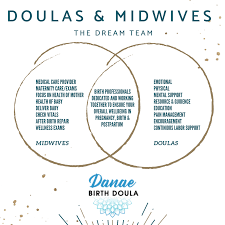
Midwife + Doula = The Dream Team
- The midwife focuses on medical safety and clinical care
- The doula focuses on comfort, emotional support, and advocacy
- Together, they provide continuous, well-rounded care
While the midwife may step in and out of the room depending on the stage of labor, a doula stays with you the entire time—offering steady support when you need it most.
This team approach allows everyone to work in their lane, without overlap or confusion.
_______________________________________________________________________________________________________________________________________
What About Hospital Births with OB-GYNs?
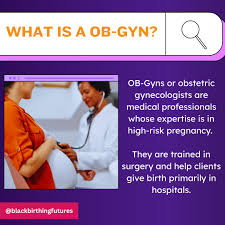
You can still hire a doula even if:
- You’re delivering in a hospital
- You’re working with an OB-GYN
- You anticipate or require medical interventions
Doulas support you, regardless of the setting or provider.
In fact, many families choose:
- OB-GYN + Doula
- Midwife + Doula
- Midwife only
- OB-GYN only
There’s no “right” combination—only what feels best for your needs, values, and comfort.
_______________________________________________________________________________________________________________________________________
How to Decide What’s Right for You
Ask yourself:
- Do I want a more hands-on medical provider with longer visits?
- Do I want continuous emotional and physical support during labor?
- How important is advocacy and education to me?
- What kind of birth environment do I envision?
- What level of medical support do I anticipate needing?
Your answers will guide you toward the right mix of care.
_______________________________________________________________________________________________________________________________________
Final Thoughts: It’s Not One or the Other
Choosing between a doula and a midwife isn’t about picking sides—it’s about building the right support system for one of the most transformative moments of your life.
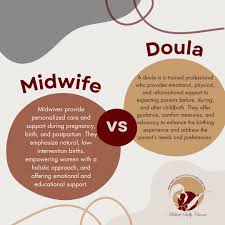
A midwife brings medical expertise and clinical care.
A doula brings unwavering support, reassurance, and calm.
Together—or individually—they help families feel informed, empowered, and supported every step of the way.
Because birth isn’t just about delivering a baby.
It’s about caring for the person bringing that baby into the world.